


Big wave surfing exists on its own plane of extremes—where the raw power of the ocean meets the daring spirit of a select group of surfers.
Big waves are an enthralling spectacle that has only increased in popularity, thanks to Tow-in surfing pioneers such as Laird Hamilton, Buzzy Kerbox, Dave Kalama and more.
Regardless of whether you're a beginner surfer or the next Eddie Aikau, we'll break down the 10 biggest waves ever surfed. No hyperbole, just the pinnacle of surfing's record-setting feats presented to you.
1. Biggest Waves Ever Surfed: The Titans of Nazaré, Record-Breaking Surfs
History Makers: 10 Biggest Waves Ever Surfed
First on the list: Nazaré.
Nazaré rose to international fame back in 2011 when Garret McNamara surfed what was then a record-breaking wave measuring 23.8 m (78 ft). As a result Nazaré has become synonymous with big wave surfing.
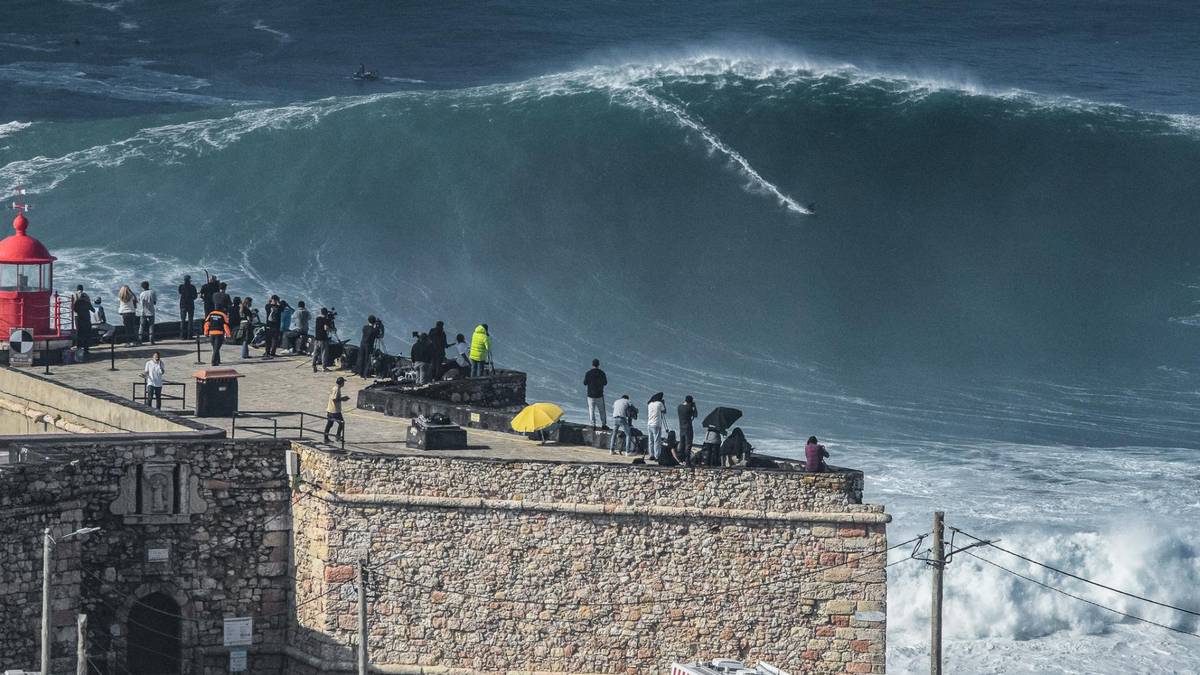
German surfer Sebastian Steudtner then rode an astounding 26.2 m (86-foot wave), smashing previous records and etching Nazaré's name in the record books.
But it's not just the men making history…
Maya Gabeira and Justine Dupont have faced Nazaré's massive swells with courage and skill, earning their place in big wave surfing.
2. Jaws: Maui's Monster Wave Arena
History Makers: 10 Biggest Waves Ever Surfed
From the colossal wave of Praia do Norte at Nazaré, where winter swell can produce huge waves nearing 100 feet, let's sail across the Atlantic to the tropical island of Maui, Hawaii.
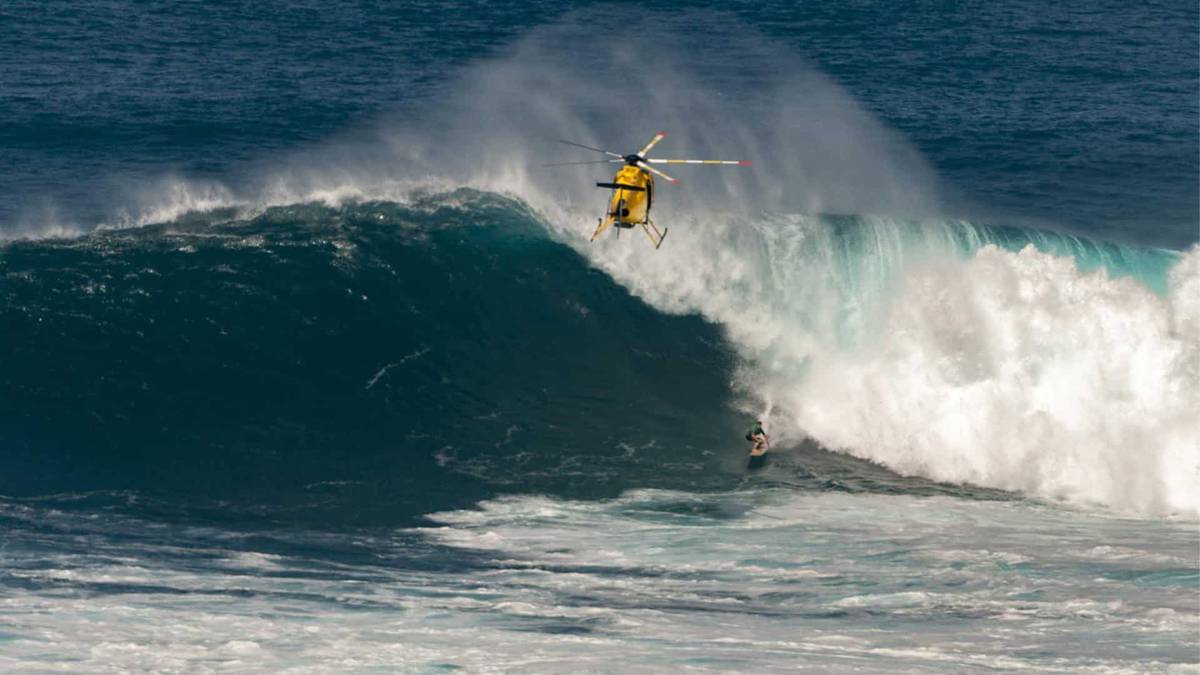
Jaws (also known as Pe'ahi) is about as scary as it sounds. Located on the North Shore of Maui, Jaws is a surf spot renowned for its monstrous and perfect wave formations, with sizes reported between 30 to 80 feet.
But why is it called Jaws?
The story goes that surfers John Roberson, John Lemus, and John Potterick were surfing the break in 1975 and suddenly saw a drastic change in the waves to the biggest they've seen. The nickname comes after the film Jaws—comparing the unpredictability to a shark attack.
That same edge defines the sport here: big-wave surfing demands immense skill, physical endurance, and control under pressure. At spots like Jaws, fear is part of every ride, especially in the moment a surfer commits. Aaron Gold became part of that history with a standout paddling performance at Pe'ahi, while tow-in support remains another common way surfers approach waves of consequence. Whether describing Sebastian Steudtner’s February 2024 93.73-foot record contender or another wave ever surfed at this level, the largest wave depends on the judging method and Guinness World Records-style validation. Storm energy and underwater topography make these breaks especially dangerous, with real consequence when conditions turn. Maya Gabeira’s 73.5-foot achievement at Nazaré, Portugal, and Justine Dupont’s 75-foot effort on January 13, 2023, show how far elite surfers can go.
3. Mavericks: California's Coastal Colossus of Big Wave Surfing
History Makers: 10 Biggest Waves Ever Surfed
Next up is Northern California, home to Mavericks, another world-famous big wave surfing spot. Located just north of Half Moon Bay, Mavericks has even been featured in several films and documentaries such as Riding Giants and Chasing Mavericks.
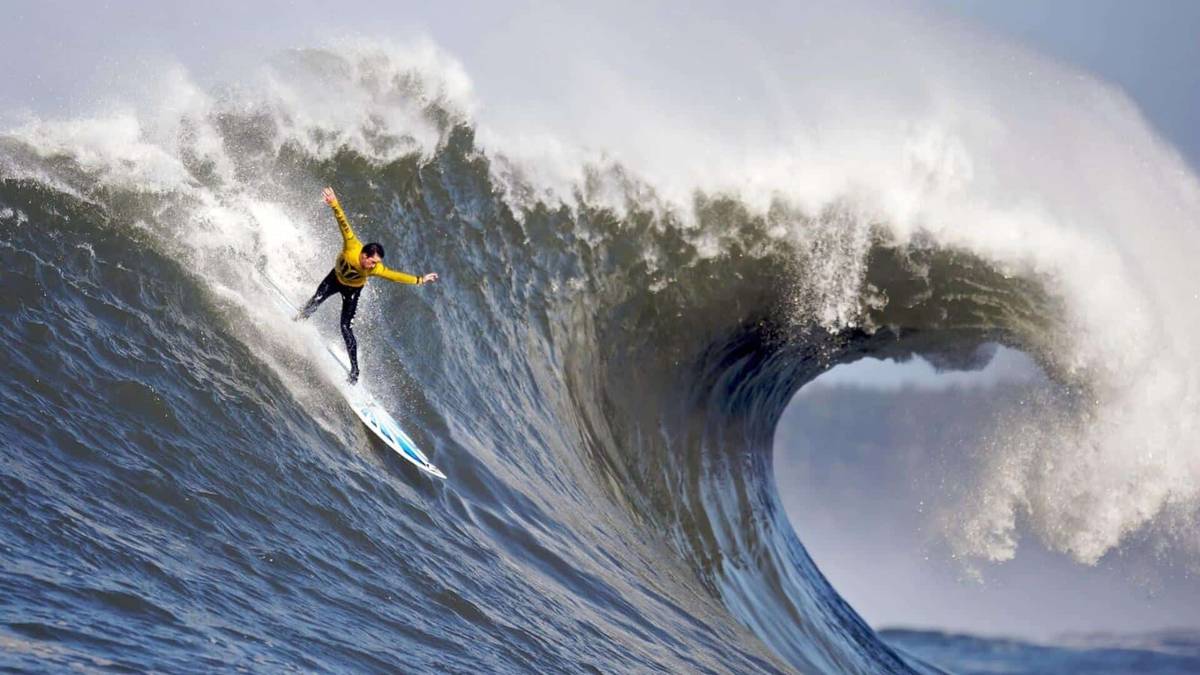
Known as a proving ground for big wave surfers, Mavericks' waves can reach heights of up to 60 feet and are often described as waves of consequence. If that doesn't trigger some fear, the break is also notorious for its presence of great white sharks and other dangerous conditions that can turn a single ride into a life-or-death situation. Jeff Clark (a Half Moon Bay local) is known as one of the first people to ever tackle Mavericks head on, and the spot has claimed surfers over the years.
15 years later, other big wave surfers Dave Schmidt and Tom Powers would be the next to surf the behemoth wave. It gradually rose to popularity in the 90s when photos of Mavericks were published in Surfer magazine, and for many, the takeoff is the defining moment.
4. Cortes Bank: The Hidden Behemoth
History Makers: 10 Biggest Waves Ever Surfed
Now we head down towards Southern California's phantom wave: Cortes Bank. Situated about 100 miles out to sea, just getting to the Cortes Bank is a challenge in of itself, usually requiring a long boat trip or even a helicopter.
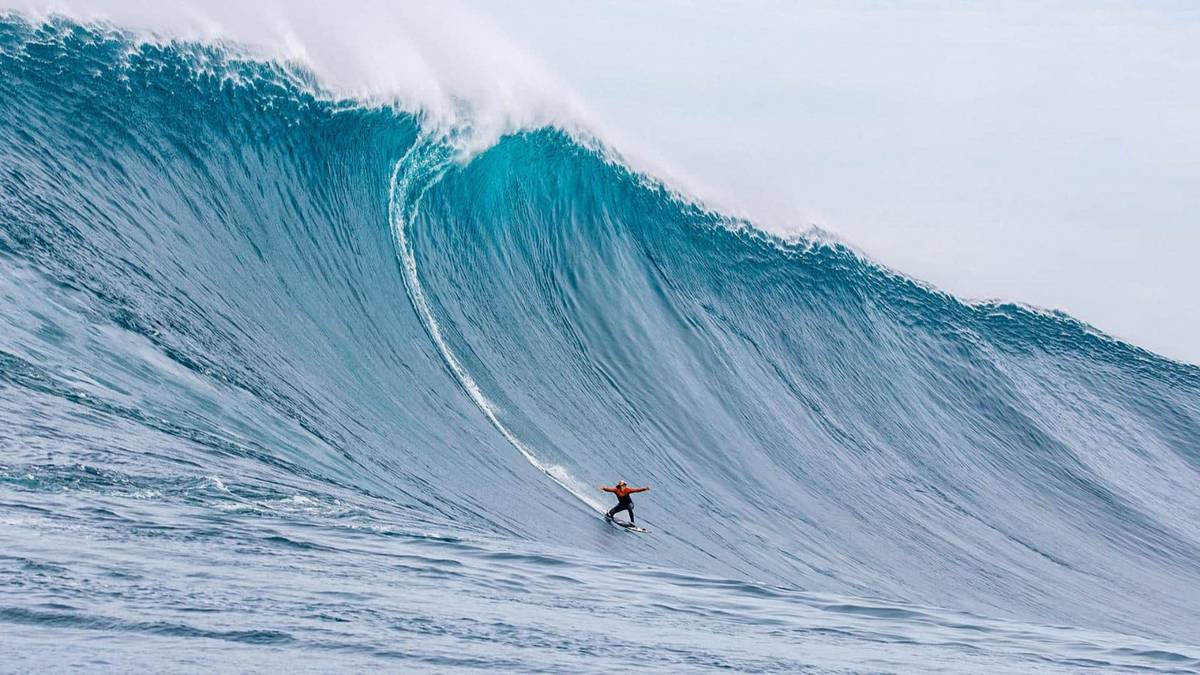
Approximately 10,000 years ago, during the last Ice Age, the Cortes Bank was a small island that would be submerged depending on the sea levels. Today, it has the appearance of a mountaintop rising close to the ocean's surface, creating a hazardous zone of treacherous currents and rogue waves. Its shallowest peak is called the Bishop Rock and occasionally becomes visible during low tides.
This shallow seamount is known for producing some of the tallest waves, thanks to its unique underwater topography and the way a powerful swell from a major storm hits the bank. That setup helps waves stand up fast and peel across a long line, giving surfers a rare chance to ride one of the biggest breaks on the planet.
It's considered one of the more famous, dangerous, rare, and remote big waves, and is only a viable surf spot for a few days a year when the elements and right conditions come together. Big wave surfers Mike Parsons, Brad Gerlach, Ken Collins and Peter Mel would make history in Project Neptune and gain national media coverage, putting the scale of the place into perspective. Discover more unique wave's in our post about the 7 Weirdest Waves to Surf
5. Teahupo'o: Tahiti's Liquid Mountain
An image of teahupoo wave tahiti
It's pronounced “Cho-poo” and it's been called the world's heaviest wave. Situated along the southwestern coast of Tahiti, is the small town of Teahupo'o, one of the most coveted big wave surf spots in the world.
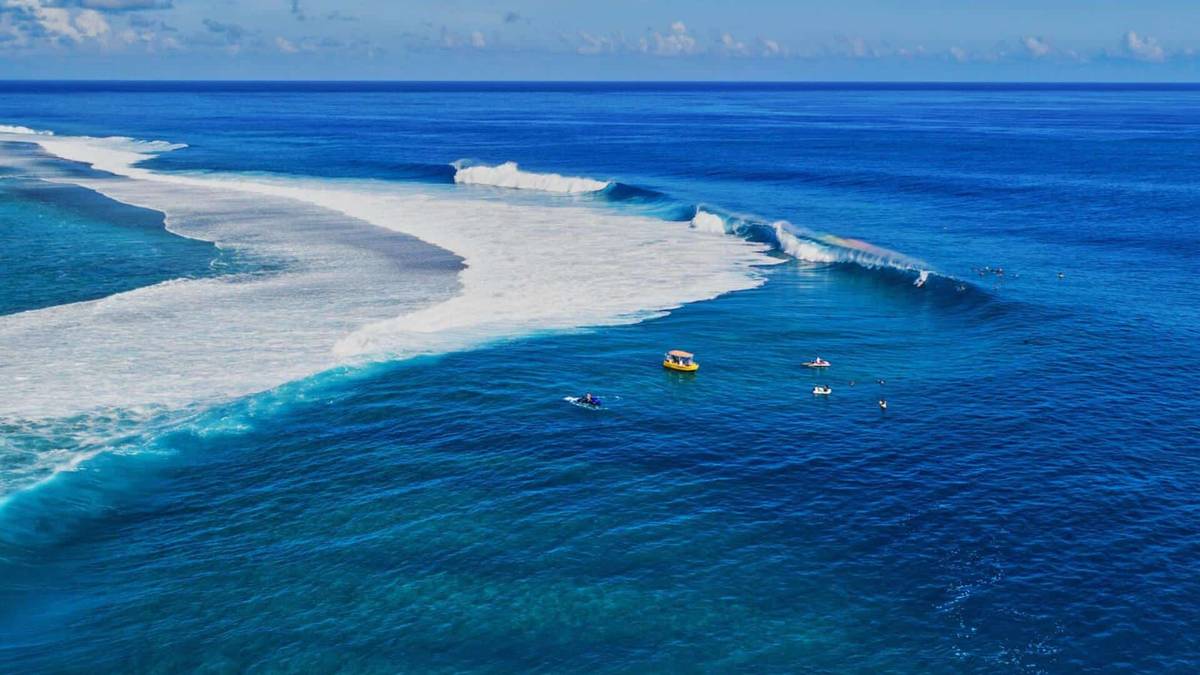
Teahupo'o is known for it's extremely shallow coral reef and heavy, glassy barrelling waves, and is the site of the annual Billabong Pro Tahiti surf competition. Waves can regularly reach between 3 and 5 meters high and on exceptional occasions, they've reached 7-10 meters.
In fact, Teahupo'o was first showcased bodyboarding pioneers Mike Stewart and Ben Severson in 1986. Prior to that, it was only surfed by local Tahitian Thierry Vernaudon and others. It remained relatively unknown until the late 90s when Black Pearl Horue Pro debuted as a World Qualifying Series and surf magazines covered the event. Surfers such as Sunny Garcia, Johnny Boy Gomez, Vetea David and Andy Irons produced some of the most impressive surfing ever seen in competition.
10 Biggest Waves ever Surfed
Time to surf?
Have the big waves got you reaching for your board?
Let us show you the beauty of nature, the best of culture, and of course, legendary waves at one of our 8 unique surf camps in 5 countries.
6. Puerto Escondido: The Mexican Pipeline
From the heavy barrels of Teahupo'o, we move to Mexico to explore Puerto Escondido. Puerto Escondido translates to English as “Hidden Port” and became a surf destination in the 1960s after Highway 200 was built, connecting Oaxacan coastal towns with Acapulco.
Playa Zicatela has been nicknamed “Mexican Pipeline” due to the similarities in power, shape and size it has to the original Banzai Pipeline on the North Shore of Oahu. The beach is just 50 to 100 meters wide, 4km long with waves that can reach up to 16 meters high.
It's recognized for having some of the most formidable tubes worldwide and hosts the ESPN X Games and the MexPipe Challenge.
7. Giants of the Emerald Isle: Mullaghmore Head
Our next stop takes us to the cold, grey waters of the North Atlantic. Not many of people think of Ireland as a surfing destination but nestled between Grange and Cliffoney, Mullaghmore Head offers extreme surfing conditions with surrounding waves reaching heights of over 50 feet.
It's only within the last decade Mullaghmore has been recognized as a big wave surfing destination. Billabong hosted Ireland's first ever big-wave surf contest in Mullaghmore back in 2011 and has came close to breaking records with waves up to 20.4 meters high. Local Donegal surfer Conor Maguire came closest to records surfing a wave measuring 18.2 meters high in October 2020.
8. Belharra: France's Deep Water Phenomenon
Off the coast of Saint-Jean-de-Luz in the Northern Basque Country, we find Belharra, a French reef break known for its towering A-frame peaks that form over a seagrass-covered shoal.
But Europe is not the only region with famous big-wave breaks, and Pico Alto is widely considered the largest wave in South America.
While the wave only breaks rarely, the shoal creates a violent wave reaching over 8 meters in height. The shoal sits between 14 and 18 metres deep and consists of a plateau that forms a stepped overhang.
This is a new addition to big wave surfing and was first surfed in November 2002 by a small team. It was only on the second session in March 2003 when history was made with Sebastian St. Jean towed into a wave estimated at 66 feet (20 meters), winning the XXL contest final.
If you're lucky enough to be close by when Belharra is breaking, spectators can watch the XXL sessions from the coast road cliffs between Socoa and Hendaye.
9. Cloudbreak: Fiji's Perfection in Size
Leaving the European coast, we journey to the tropical paradise of Fiji. Situated on Tavaura, an island resort close to Viti Levu, Cloudbreak is known for its fast, barrelling lefts over a shallow reef.
It's a world-class left hander with remarkably consistently smooth waves that are mesmerising to watch. While the wave breaks clean, it certainly breaks hard and fast with raw power that can punish even the most advanced surfers.
Tavarua hosts annual professional surfing competitions and there's 6 other surfing breaks to choose from: Restaurants, Tavarua Rights, Swimming Pools, Namotu Left, Wilkes Pass, and Desperations
10. Waimea Bay: Hawaii's Historic Big Wave Theater
Of course, we had to mention the home of big wave surfing. Waimea Bay is the stage where many surf legends have made their mark and experienced the powerful wave hit.
For years, the surf went unridden until 1958 when a handful of brave surfers paddled out and rode the giants that break off the northern point of the bay. Waves can easily reach 25ft in size.
The pinnacle of the Winter season is the Quiksilver Pro: The Eddie Big Wave Invitational—a contest to commemorate the legendary surfer and first lifeguard on the North Shore of Oahu. The tournament has only been held ten times since it began in 1984. Due to a precondition that waves must be a minimum of 20ft before the competition can be held.
Summary
Learning about the 10 biggest waves ever surfed not only provides awe-inspiring tales to share with your new surf buddies, but also fuels the passion and drive for every aspiring beginner surfer. It should also remind us of dedication and respect we should all have for the ocean.
If you'd like to start your surf journey in the right place, check out one of our surf camps in Bali, Costa Rica, Morocco, Nicaragua and Portugal.


