


You searched “point break meaning” — and depending on why, you want one of three answers. It’s a type of surf break, it’s a cult 1991 movie, and it’s the nickname Iron Man gives Thor in the Marvel films. We’ll settle all three in ten seconds, then dive into what a point break really is in surfing (our specialty), why surfers obsess over it, and where to find the best ones on the planet.
Point break meaning: the quick answer
In surfing, a point break is a spot where waves wrap around a headland or point of land jutting into the sea and peel cleanly in one direction, giving surfers unusually long, smooth rides. Away from the water, “Point Break” is also the 1991 action film with Keanu Reeves and Patrick Swayze, and it’s the affectionate nickname Tony Stark coins for Thor in the Avengers movies — a nod to the god of thunder’s long, surfer-blond hair. Same two words, three very different meanings.
Why Iron Man calls Thor “Point Break”
If you came here from a Marvel movie, here’s the short version. In the first Avengers film, Tony Stark (Iron Man) sizes up Thor’s flowing blond locks and rugged surfer look and dubs him “Point Break” — a direct reference to Patrick Swayze’s long-haired surfer character in the movie of the same name. It’s classic Stark: a comedic tone that needles the strongest Avenger with a pop-culture jab.
For the uninitiated: Thor is the hammer-wielding god of thunder — son of Odin, brother of Loki, and hero of Asgard. So having a mortal in a metal suit tease him about his hair is exactly the kind of ribbing that defines Thor and Tony’s friendship across the Avengers movies. Thor mostly takes the “Point Break” nickname in good humour, no hard feelings.
The nickname sticks. In Thor: Ragnarok, “Point Break” even returns as the quinjet’s voice password that Tony set, so when Thor boards the ship and it asks for access, “Point Break” is what unlocks it. It’s a small callback that captures the complex, bickering-brothers-in-arms relationship between Tony Stark and Thor across the Marvel films — and it’s why so many fans end up searching what the term actually means.
The movie: Point Break (1991)
The other big reason people look up this phrase is the film. Point Break is a 1991 action classic directed by Kathryn Bigelow and written by Peter Iliff. Keanu Reeves plays Johnny Utah, a rookie FBI agent who goes undercover in the surf scene to catch a gang of bank robbers known as the Ex-Presidents. Patrick Swayze plays Bodhi, the charismatic, adrenaline-chasing leader of the surfers.
The film turned surfing into pure Hollywood mythology — skydiving, bank heists, and the search for the ultimate wave — and it’s so woven into surf culture that a 2015 remake followed. That surfer-outlaw image is exactly what Stark is riffing on when he calls Thor “Point Break.” But the phrase didn’t start with the movie or the Avengers; it started in the ocean.
What a point break actually means in surfing
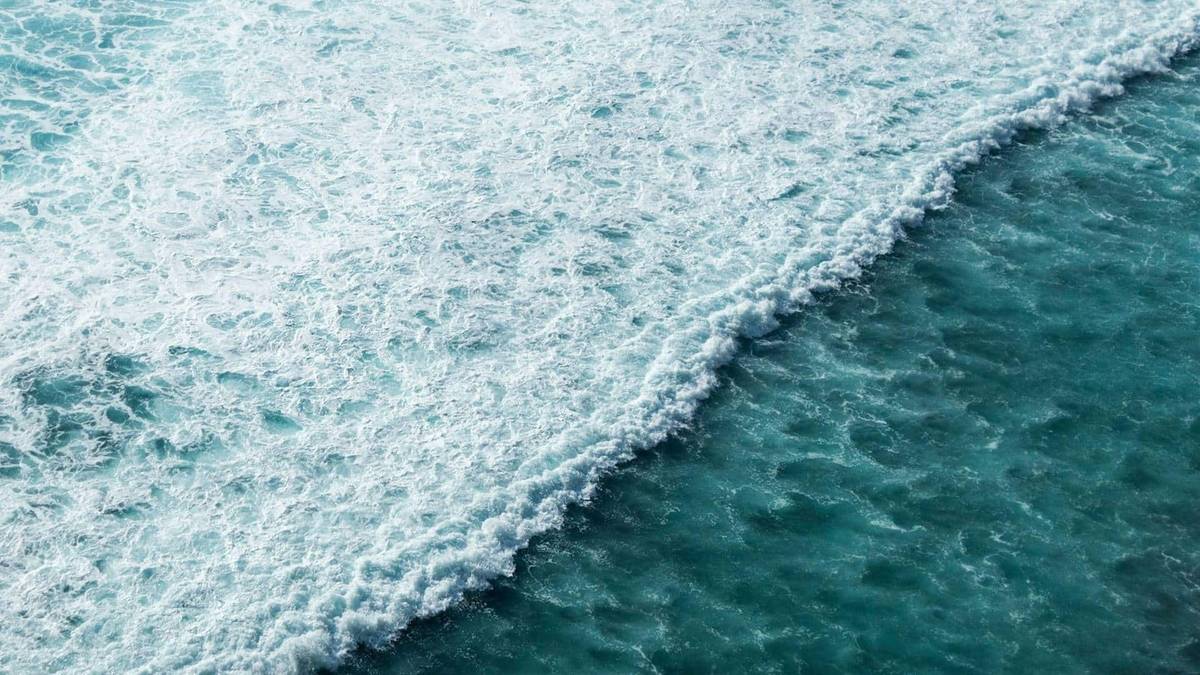
Back to our world. A point break forms where the coastline juts out — a headland, a rocky point, or a spit of land — and swell bends (refracts) around it. Instead of closing out all at once like a beach wave, the wave breaks progressively along the point, peeling in one direction. The result is a long, predictable ride that can run for dozens or even hundreds of metres and often wraps toward the shore.
That is why surfers love point breaks. The wave breaks in the same place, in the same way, again and again, so it’s easier to read: you can anticipate the wave’s behaviour and set up for the best ride. All that length and consistency gives you time and space to link turns and practise manoeuvres you simply can’t on a short, punchy beach wave. “Surfing the point” just means riding these waves — and because they’re so manageable, a well-behaved point break can suit both a complete beginner and an advanced surfer.
How a point break differs from other surf breaks
A point break is one of several kinds of surf break. What separates them is the seabed the wave breaks over and the shape of the coastline. Here’s how the main types compare.
Beach breaks
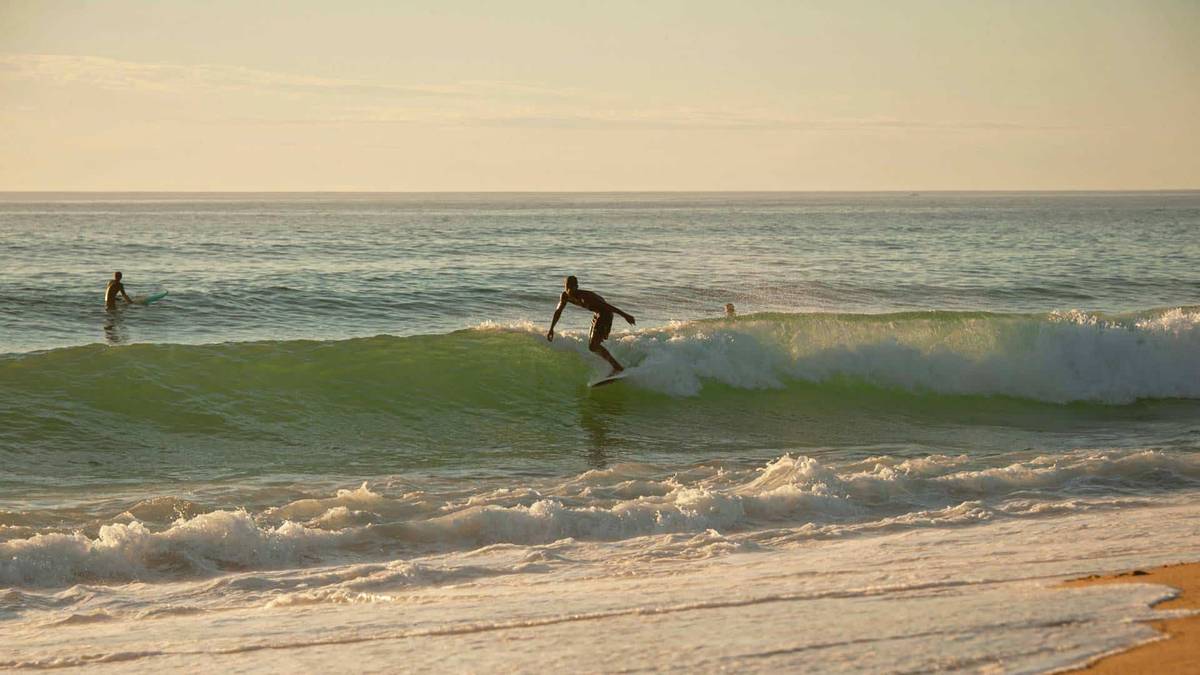
Beach breaks are the most common type of surf break, formed where waves break over a sandy bottom and shifting sandbars. Because the sand moves with the tides and storms, the waves change constantly — one day mellow rollers for beginners, the next fast, hollow barrels for experts. The forgiving sand bottom makes beach breaks the safest place to learn, which is why our coaches at Rapture Surfcamps teach you to read tides, wind and sandbanks on gentle beach breaks first.
Reef breaks
Reef breaks form where waves break over coral or rock. The fixed seabed produces hollow, fast, powerful waves — the barrels advanced surfers dream of — but the shallow, sharp bottom makes wipeouts genuinely risky. Reefs often sit off the coastline too, needing a paddle or boat to reach. If you’re new to a reef break, go with an instructor or local who knows it.
River breaks
River breaks happen where a river’s freshwater current meets the ocean. They can appear as standing (stationary) waves over a submerged obstacle, or as tidal bores where an incoming tide pushes upriver — sometimes creating rideable waves that run for miles, like the famous Severn Bore in the UK. They’re rarer and less predictable than beach or reef breaks, but unforgettable to surf.
Iconic point breaks around the world
Some point breaks are so good they’ve become pilgrimage sites. A few of the most legendary:
- Chicama, Peru — widely called the longest wave in the world, with rides that can run for kilometres.
- Jeffreys Bay (J-Bay), South Africa — long, fast, world-class right-handers and a jewel of the pro tour.
- Trestles, Southern California — a cluster of breaks (Uppers, Lowers, Cotton’s, Church) near San Clemente.
- Malibu & Rincon, California — smooth, peeling waves woven into the history of surf culture.
- Superbank & Noosa (Australia) and Raglan (New Zealand) — long sand and rock points cherished by everyone who’s ridden them.
What does “point break” mean in slang?
Here’s the honest answer: outside of surfing, “point break” isn’t really established general slang. When people use it about a person, they almost always mean the Marvel reference — calling someone “Point Break” the way Tony Stark calls Thor “Point Break,” i.e. teasing a guy with long, surfer-style blond hair or an easy, adrenaline-junkie vibe. So if a friend drops it on you, take it as a nod to the movie and the Thor scene, not an insult.
Point break: frequently asked questions
What does the term “point break” mean?
In surfing, it’s a wave that breaks along a headland or point of land and peels in one direction, creating long, consistent rides. In pop culture, it also refers to the 1991 movie and to Iron Man’s nickname for Thor.
What does “point break” mean in slang?
It’s not a common general slang term. When used about a person it’s a Marvel reference — teasing someone with long, blond, surfer-style hair, echoing Tony Stark’s nickname for Thor.
What does it mean when you call someone “Point Break”?
You’re quoting Iron Man. Stark calls Thor “Point Break” because of his long surfer hair, referencing Patrick Swayze’s character in the film. Calling a friend that is a light-hearted jab at their hair or surfer look.
Why does Thor get called “Point Break”?
Tony Stark gives him the nickname in the Avengers films, and it returns in Thor: Ragnarok as the quinjet password. It points to Thor’s resemblance to the long-haired surfers in the 1991 movie Point Break.
Surf a real point break with Rapture
Now that you know what a point break actually is, the best way to understand one is to ride it. Since 2003, Rapture Surfcamps has helped thousands of people learn to surf across our camps in Bali, Costa Rica and Portugal — each within reach of world-class waves and mellow beginner breaks alike. You get accommodation, expert surf lessons, board rental, guided surf trips and healthy food, plus a surf community that turns a holiday into a proper education in waves.
Want to go deeper on the theory first? Read our guide to the types of surf breaks, or brush up on what a swell is and how a riptide works. Then come find your wave with us.


